
Wood vs Metal Kitchen Handles: Which Is Better for You?
Choosing the right kitchen handles can significantly impact both the functionality and aesthetic appeal of your kitchen. With a variety of materials available, wood and metal are among the most popular. This article will explore the differences between wood and metal kitchen handles, focusing on their durability, accessibility, and maintenance needs. By understanding the unique properties of each material, you can make an informed decision that aligns with your kitchen design and personal preferences. We will also discuss how these choices can affect accessibility for all users, including those with disabilities.
Durability and Accessibility of Wood vs. Metal Kitchen Handles
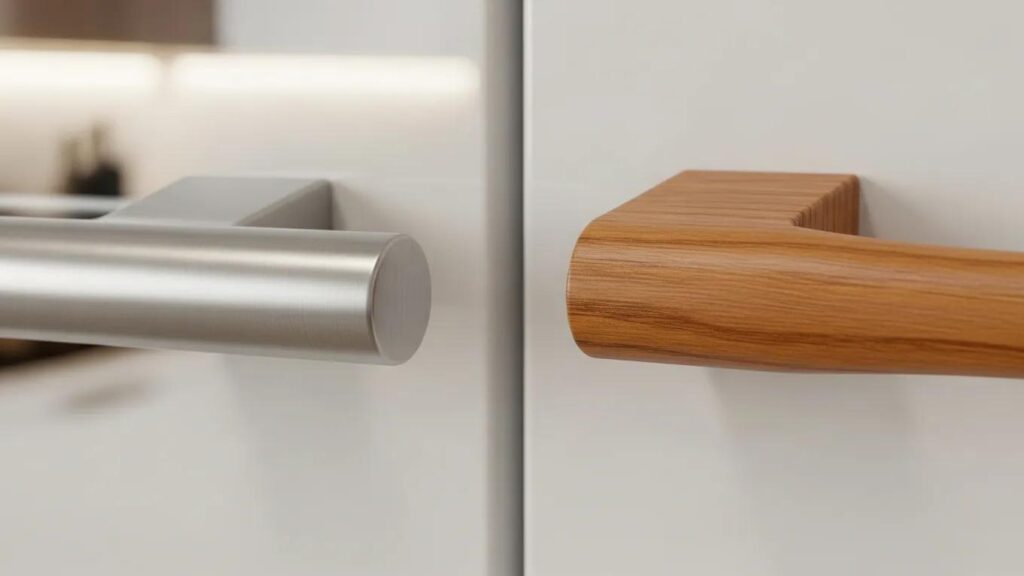
When it comes to kitchen handles, durability and accessibility are paramount. Metal handles are often favored for their strength and resistance to wear and tear, while wood handles offer a unique aesthetic appeal that can enhance the overall look of your kitchen. Understanding the differences in durability and accessibility features between these two materials can help you choose the best option for your needs.
Metal Handles:
Metal handles, particularly those made from stainless steel, are known for their exceptional durability. They can withstand heavy use without showing signs of wear, making them ideal for busy kitchens. Additionally, many metal handles come with ergonomic designs that enhance accessibility for users with disabilities. The smooth surfaces and various finishes available allow for easy cleaning and maintenance, ensuring that they remain functional and visually appealing over time.
Wood Handles:
Wood handles provide a warm, natural aesthetic that can complement various kitchen styles. However, they require more maintenance than metal handles to prevent damage from moisture and wear. While wood can be durable, it is generally more susceptible to scratches and dents. On the accessibility front, wood handles can be designed with ergonomic features, but they may not always provide the same level of grip as metal options, which can be a consideration for users with limited hand strength.
What Are the Key Material Properties of Wood and Metal Kitchen Handles?
The material properties of kitchen handles play a crucial role in their performance and longevity. Metal handles typically boast higher durability ratings compared to wood, which can be more prone to damage. Additionally, metal handles often require less maintenance, making them a practical choice for many homeowners. In contrast, wood handles offer unique aesthetic qualities but may necessitate more frequent upkeep to maintain their appearance.
How Does Wood Material Affect Kitchen Handle Durability and Design?
Wood’s natural beauty can enhance kitchen design, but its durability can vary based on the type of wood used. Hardwoods like oak and maple are more resilient than softer woods, making them better suited for kitchen environments. However, wood handles may still be vulnerable to moisture and temperature changes, which can lead to warping or cracking over time. Understanding these factors is essential when selecting wood handles for your kitchen.
What Are the Durability Advantages of Metal Kitchen Handles?
Metal kitchen handles are often preferred for their durability and low maintenance requirements. Stainless steel, for example, is resistant to rust and corrosion, making it an excellent choice for kitchens exposed to moisture. Additionally, metal handles can withstand heavy use without losing their structural integrity, ensuring they remain functional for years. This durability makes metal handles a reliable option for busy households.
Which Kitchen Handles Provide the Best Accessibility and Ergonomic Benefits?
Accessibility is a critical consideration when choosing kitchen handles, especially for individuals with disabilities. Both wood and metal handles can be designed to enhance ergonomics, but metal handles often provide superior grip and ease of use. Features such as larger diameters and textured surfaces can make metal handles easier to grasp, while wood handles may require more effort to operate effectively.
How Do Wood Handles Support Accessibility Features for Disabled Users?
Wood handles can be designed with accessibility in mind, incorporating features such as wider grips and rounded edges. However, they may not always provide the same level of ease as metal handles. The natural texture of wood can also be beneficial for grip, but it may not be as effective as the smooth, polished surfaces of metal options.
What Metal Handle Designs Enhance Ergonomics and Accessibility?
Metal handles can be crafted with various ergonomic designs that cater to users with disabilities. For instance, handles with a larger surface area and textured grips can significantly improve accessibility. Additionally, many metal handles are available in styles that allow for easy installation and adjustment, making them a versatile choice for any kitchen.
How Should You Maintain and Care for Wood and Metal Kitchen Handles?
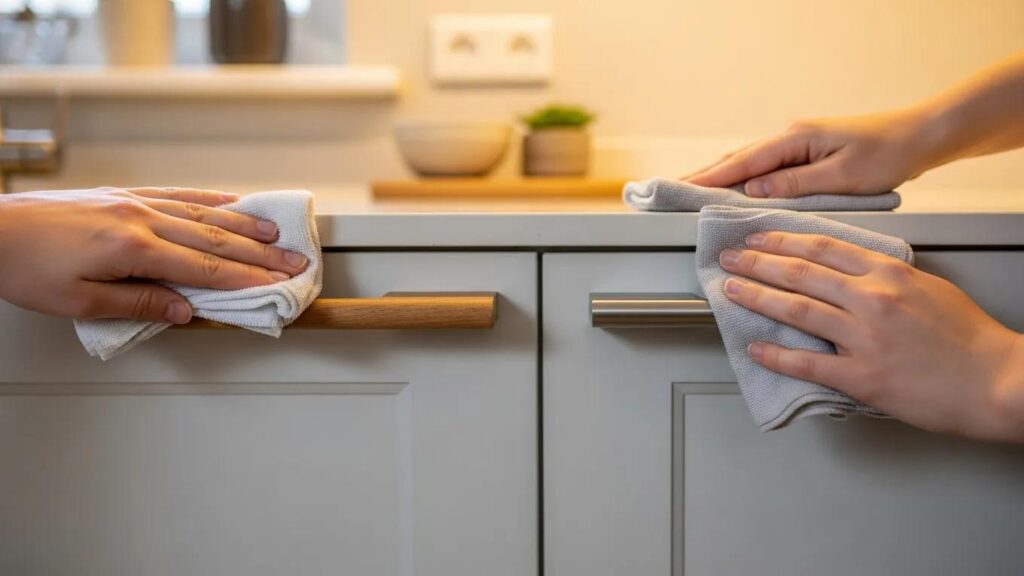
Proper maintenance is essential for ensuring the longevity of both wood and metal kitchen handles. Each material has specific care requirements that should be followed to maintain their appearance and functionality.
What Are the Best Practices for Maintaining Wood Kitchen Handles?
To keep wood kitchen handles in optimal condition, regular cleaning and care are necessary. It is advisable to use a damp cloth to wipe down the handles and avoid soaking them in water. Additionally, applying a wood conditioner periodically can help protect against moisture damage and maintain the wood’s natural luster.
How to Ensure Longevity of Metal Kitchen Handles Through Proper Care?
Metal handles require less maintenance than wood but still benefit from regular cleaning. Using a mild detergent and a soft cloth can help remove fingerprints and smudges. It is also important to avoid abrasive cleaners that can scratch the surface. For handles exposed to moisture, ensuring they are dried promptly can prevent tarnishing and wear. Handles exposed
How to Choose the Right Kitchen Handle Material Based on Your Needs and Preferences?
Selecting the right kitchen handle material involves considering various factors, including durability, maintenance, and aesthetic preferences. Metal handles are often the go-to choice for those prioritizing durability and low maintenance, while wood handles appeal to those seeking a natural look. Evaluating your specific needs and preferences will guide you in making the best choice for your kitchen.
What Factors Should Influence Your Choice Between Wood and Metal Handles?
When decod and metal handles, consider factors such as durability, maintenance requirements, and design compatibility with your kitchen. Metal handles generally offer superior durability and ease of maintenance, while wood handles provide a unique aesthetic that can enhance your kitchen’s overall design. Balancing these factors will help you make an informed decision.
How Do Cost, Sustainability, and Long-Term Value Affect Kitchen Handle Selection?
Cost and sustainability are important considerations when selecting kitchen handles. Metal handles may have a higher upfront cost, but they often deliver better long-term value because of their durability and resistance to wear. Wood handles can also be a strong choice when sourced responsibly, offering a more natural and environmentally conscious option. For cabinet makers, designers, OEMs, distributors, and showrooms, the best choice often comes down to balancing budget, performance, finish, and the project’s overall design goal.