
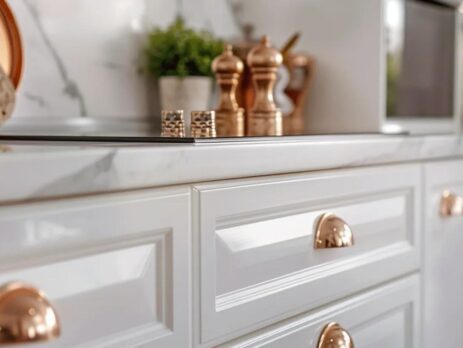
How to Choose Kitchen Cabinet Knob Materials
How to Choose Kitchen Cabinet Knob Materials: A Guide to Durable and Stylish Cabinet Hardware
Selecting the right materials for kitchen cabinet knobs is essential for both functionality and aesthetics. The materials you choose can significantly impact the durability, maintenance, and overall style of your kitchen. This guide will help you navigate the available options, ensuring you make an informed decision that enhances your kitchen’s design while meeting your practical needs. In this article, we will explore the different types of kitchen cabinet knob materials, evaluate their durability and maintenance requirements, discuss design and finish options, and highlight the benefits of custom and sustainable manufacturing.
What Are the Different Types of Kitchen Cabinet Knob Materials?
When it comes to kitchen cabinet knobs, the material plays a crucial role in both appearance and performance. Here are some common materials used for cabinet knobs:
Metal, Wood, Ceramic, Plastic, and Glass Knobs Explained
Metal cabinet knobs are popular for their durability and modern aesthetic. They come in various finishes, including satin nickel and oil-rubbed bronze, making them versatile for different kitchen styles. Wood knobs offer a warm, natural look and can be stained or painted to match your cabinetry. Ceramic knobs are known for their unique designs and colors, adding a personal touch to your kitchen. Plastic knobs are lightweight and budget-friendly, but they may not withstand heavy use as well as other materials. Glass knobs provide an elegant touch, often used in more traditional or upscale designs, but they require careful handling to avoid breakage.
Pros and Cons of Each Cabinet Hardware Material
Each material has its advantages and disadvantages. Metal knobs are highly durable but can feel cold to the touch and may show fingerprints depending on the finish. Wood knobs provide a warm feel but may require more frequent maintenance to prevent wear and moisture damage. Ceramic knobs are easy to clean but can chip or crack if not handled carefully. Plastic knobs are affordable and lightweight, but they may not hold up as well over time and can appear less premium. Glass knobs add a luxurious touch but are fragile and prone to breakage.
How to Evaluate Cabinet Knob Durability and Maintenance Needs?
Evaluating the durability and maintenance requirements of cabinet knobs is essential to ensure they last over time. Different materials have varying levels of durability and care requirements.
Durability Ratings for Common Cabinet Knob Materials
When assessing durability, consider the following ratings for common materials:
- Metal: High durability, resistant to wear and tear.
- Wood: Moderate durability, can be affected by moisture and temperature changes.
- Ceramic: Moderate durability, prone to chipping.
- Plastic: Low to moderate durability, may wear out or discolor with heavy use.
- Glass: Low durability, very fragile.
Maintenance Tips for Long-Lasting Cabinet Hardware
To maintain your cabinet knobs and ensure their longevity, follow these tips:
- Regular Cleaning: Use a soft cloth and mild soap to clean knobs regularly, avoiding harsh chemicals that can damage finishes.
- Avoid Excess Moisture: For wood knobs, ensure they are not exposed to excessive moisture to prevent warping.
- Inspect for Damage: Regularly check for chips or cracks, especially in ceramic and glass knobs, and replace them as needed.
What Design and Finish Options Are Available for Cabinet Knobs?
The design and finish of cabinet knobs can significantly influence the overall look of your kitchen. Here are some popular options:
Popular Cabinet Knob Finishes: Brushed, Polished, Matte
Brushed finishes, such as oil-rubbed bronze, provide a textured look that hides fingerprints and scratches. Polished finishes, such as polished chrome, provide a shiny, reflective surface that can brighten a space. Matte finishes, such as matte black, provide a contemporary look that is easy to maintain and complements various design styles.
Matching Knob Styles to Kitchen Decor and Ergonomics
When selecting cabinet knobs, consider how they match your kitchen decor. For a modern kitchen, sleek metal knobs in matte black or polished chrome can enhance the contemporary feel. In contrast, traditional kitchens may benefit from antique brass or ceramic knobs that add character. Additionally, ergonomic considerations are essential; choose knobs that are comfortable to grip and easy to use, especially in high-traffic areas.
How Can Custom and Sustainable Manufacturing Enhance Your Cabinet Knob Choice?
Custom and sustainable manufacturing options can significantly enhance your cabinet knob selection by offering unique designs and environmentally friendly materials.
Trends in Sustainable Materials and Ergonomic Hardware Design
Sustainable materials, such as recycled metals and responsibly sourced wood, are becoming increasingly popular in cabinet hardware design. These materials not only reduce environmental impact but also offer unique aesthetics. Ergonomic designs are also trending, with knobs that are easier to grip and use, enhancing the overall functionality of your kitchen.