

What Kitchen Handle Fits Your Cabinet Best
What Kitchen Handle Fits Your Cabinet Best: Choosing the Ideal Kitchen Cabinet Hardware
Selecting the right kitchen cabinet handles is essential for both functionality and aesthetics. With a variety of styles, materials, and finishes available, it can be overwhelming to determine which options best suit your needs. This article will guide you through the different types of kitchen cabinet handles, how materials and finishes affect your selection, and the best ergonomic and accessible options for your space. Additionally, we will provide key installation and maintenance tips to ensure your cabinet hardware remains in excellent condition. By the end of this guide, you will have a clearer understanding of how to choose the ideal kitchen cabinet hardware that complements your design while meeting your practical requirements.
Indeed, the kitchen’s design plays a crucial role in daily life, affecting both efficiency and overall well-being, as research on kitchen functionality and aesthetics highlights.
Kitchen Design: Functionality & Aesthetics
Providing optimal working conditions in the kitchen requires careful functional and aesthetic design. A properly organized workflow can improve ease and safety. As many household members spend numerous hours in the kitchen, this area of the house needs to be aesthetically pleasing. Creating a positive mood and atmosphere may improve household members’ attitudes and engagement in completing everyday chores.
Functional and aesthetic shaping of kitchen space and its influence on interpersonal relations in households, P Nowakowski, 2017
What Are the Different Types of Kitchen Cabinet Handles?
When it comes to kitchen cabinet handles, there are several types to consider, each offering unique functionality and style. The most common types include:
- Cabinet Knobs: Small, round, or shaped handles that are easy to grip and install, perfect for a minimalist look.
- Cabinet Pulls: Longer handles that provide a more substantial grip, ideal for larger cabinet doors and drawers.
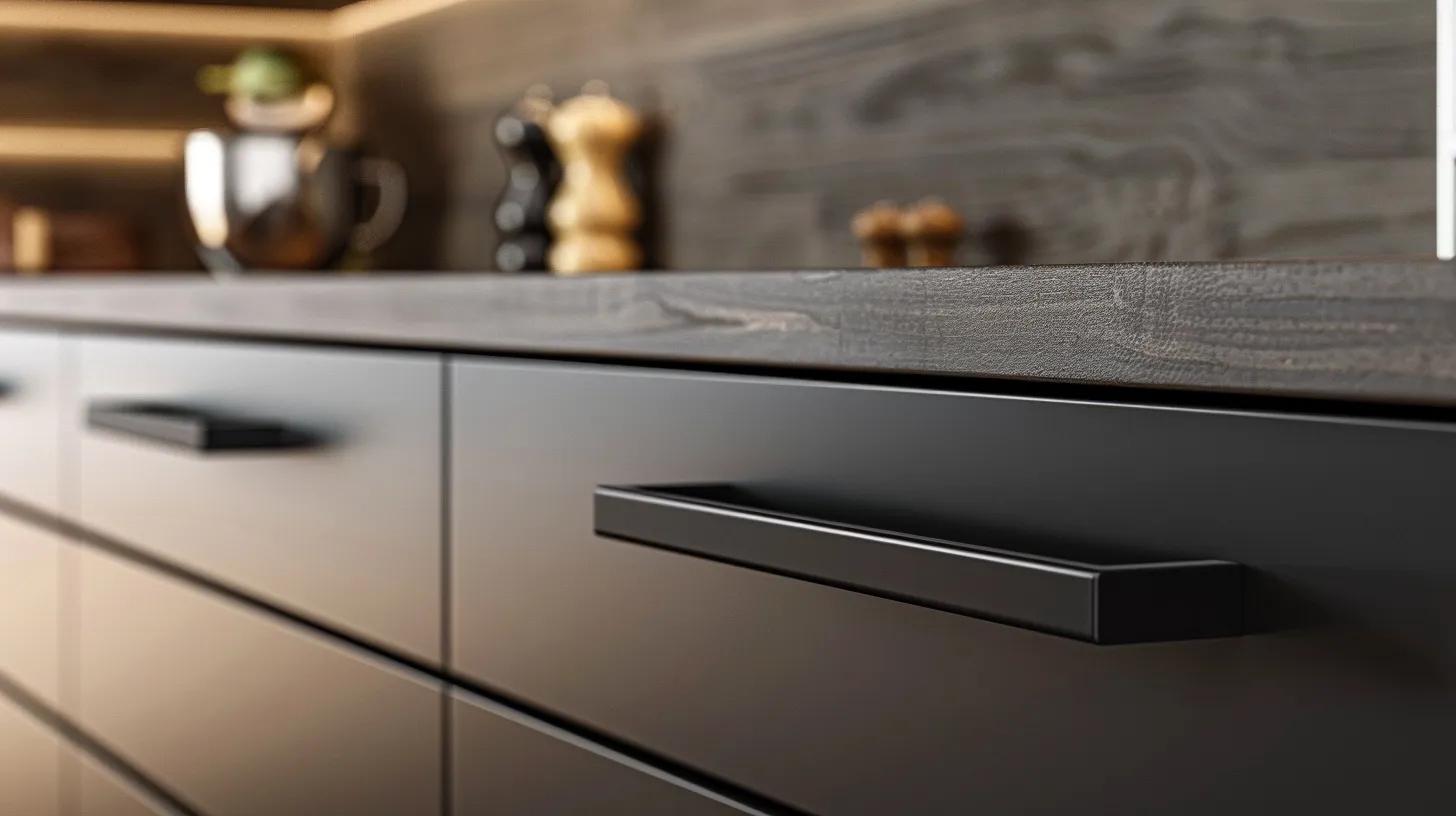
- Bar Handles: Sleek and modern, these handles are often used in contemporary kitchens for a streamlined appearance.
- Cup Pulls: These handles are recessed or semi-recessed into the cabinet, providing a vintage or rustic look.
- Square Pulls: A modern twist on traditional pulls, offering a geometric aesthetic.
Understanding these options will help you make an informed decision based on your kitchen’s design and your personal preferences.
How Do Knobs, Pulls, and Bar Handles Differ?
Knobs, pulls, and bar handles differ primarily in their design and functionality. Knobs are typically round or shaped and require a single screw for installation, making them easy to replace. They are best suited for smaller cabinets or drawers. Pulls, on the other hand, are longer and provide a more ergonomic grip, making them ideal for larger doors and drawers. Bar handles offer a contemporary look and are often used in modern kitchens, providing a comfortable grip for opening heavy cabinet doors. Each type has its own aesthetic appeal and practical advantages, allowing you to choose based on your kitchen’s style and your usage needs.
Which Handle Styles Suit Modern and Traditional Kitchens?
When selecting handle styles, consider the overall design of your kitchen. Modern kitchens often benefit from sleek, minimalist handles such as bar pulls or square pulls, which complement clean lines and contemporary finishes. In contrast, traditional kitchens may favor more ornate options, such as cup pulls or decorative knobs, to enhance the classic aesthetic. By aligning your handle choice with your kitchen’s design theme, you can create a cohesive and visually appealing space.
How Do Materials and Finishes Affect Cabinet Handle Selection?
The materials and finishes of kitchen cabinet handles play a crucial role in both durability and style. Common materials include metal, wood, and plastic, each offering distinct advantages. Metal handles, such as stainless steel, brass, or zinc alloy, are known for their durability and modern appeal. Wooden handles can add warmth and a natural touch, while plastic options are often more affordable and available in various colors.
What Are the Benefits of Metal, Wood, and Sustainable Materials?
Metal handles are highly durable and wear-resistant, making them ideal for high-traffic areas. They also come in various finishes, including satin nickel, polished chrome, matte black, rose gold, dark pewter, and oil-rubbed bronze, allowing customization to match your kitchen decor. Wooden handles provide a unique, organic look and can be stained or painted to fit your design. Sustainable materials, such as bamboo and recycled metals, are increasingly popular with eco-conscious consumers, offering both style and environmental benefits. For a wide selection of high-quality options, consider exploring Pride Industrial for your kitchen hardware needs.
How Do Finishes Like Satin Nickel and Chrome Impact Kitchen Design?
Finishes like satin nickel and chrome significantly influence the overall aesthetic of your kitchen. Brushed nickel offers a modern, sleek look that pairs well with contemporary designs, while bronze, including oil-rubbed bronze, provides a warm, vintage feel that complements traditional styles. Choosing the right finish can enhance your kitchen’s design and create a harmonious look throughout the space.
Which Ergonomic and Accessible Kitchen Handles Are Best for Your Needs?
Ergonomic and accessible kitchen handles are designed to provide comfort and ease of use, particularly for individuals with disabilities or limited mobility. These handles often feature larger grips, easier-to-pull designs, and are positioned at accessible heights.
How Do Ergonomic Handles Support Individuals with Disabilities and Veterans?
Ergonomic handles are specifically designed to reduce strain and improve usability for individuals with disabilities and veterans. Features such as larger grips and lever-style pulls allow for easier operation without requiring excessive force. This inclusivity ensures that everyone can navigate their kitchen comfortably and safely. To explore a variety of ergonomic options, Pride Industrial offers a range of solutions tailored to different needs.
What Features Enhance Comfort and Usability in Kitchen Hardware?
When selecting kitchen hardware, look for features that enhance comfort and usability. Handles with a textured grip can prevent slipping, while lever handles require less effort to operate. Additionally, consider the height and placement of handles to ensure they are accessible to all users, promoting a functional, user-friendly kitchen environment.
What Are the Key Installation and Maintenance Tips for Kitchen Cabinet Handles?
Proper installation and maintenance of kitchen cabinet handles are essential for longevity and functionality. Start by measuring the distance between screw holes to ensure a proper fit. Use a level to align handles correctly, and consider using a template for consistent placement across multiple cabinets.
How Do You Measure and Choose the Right Size Cabinet Handle?
To measure for cabinet handles, use a ruler or tape measure to determine the distance between the screw holes on your cabinet doors or drawers. This measurement, often called the “center-to-center” measurement, will help you select
the appropriate handle size. Additionally, consider the overall scale of your cabinets; larger handles may be more suitable for bigger doors, while smaller knobs work well on petite drawers. For a comprehensive selection of sizes, Pride Industrial offers a variety of options to fit any cabinet.
What Are Best Practices for Installing and Caring for Cabinet Hardware?
Best practices for installing cabinet hardware include using the right tools, such as a drill and screwdriver, and ensuring that all screws are tightened securely. For maintenance, regularly clean handles with a soft cloth and mild soap to remove dirt and grease, and check for any loose screws that may need tightening. Avoid abrasive cleaners that can damage finishes. This proactive approach will help maintain the appearance and functionality of your cabinet hardware over time.